
Editor, Webmaster: Phil Cartwright Editor@earlyjas.org
 | |  | |  |
 | |  | |  |
|
| Earlville Association for Ragtime Lovers Yearning for Jazz Advancement and Socialization |
EARLYJAS
Sidney Bechet's family dates back to around 1760 in New
Orleans. Francoise Cocote had three children, two girls and a
boy named Jean Becher. Jean’s last name went through some
changes over time. First to Beschet, then to Beshe and finally
Bechet. Sidney was born to Josephine and Omar in 1897. This
infancy.
New Orleans was alive with music and music played a big part
in the life of the household. Omar played flute, Homer string
bass, Albert violin, Joseph guitar, Leonard the trombone and
clarinet, and Sidney the fife. He outgrew the fife and began
borrowing Leonard's clarinet. His mother overheard his
practicing, decided he needed his own clarinet and gave him
one on Christmas 1905.
young musician was emerging in New Orleans. Jazz music was
musical self expression.Charles "Buddy" Bolden played which
was called ragtime by beginning to take shape. It was evolving
from the style which Charles "Buddy" Bolden played which was
called ragtime by the musicians. The new style was full of blue
notes and the musicians. The new style was full of blue notes
and innovative rhythmic patterns. There was burning desire for
musical self expression.
Orleans. Francoise Cocote had three children, two girls and a
boy named Jean Becher. Jean’s last name went through some
changes over time. First to Beschet, then to Beshe and finally
Bechet. Sidney was born to Josephine and Omar in 1897. This
infancy.
New Orleans was alive with music and music played a big part
in the life of the household. Omar played flute, Homer string
bass, Albert violin, Joseph guitar, Leonard the trombone and
clarinet, and Sidney the fife. He outgrew the fife and began
borrowing Leonard's clarinet. His mother overheard his
practicing, decided he needed his own clarinet and gave him
one on Christmas 1905.
young musician was emerging in New Orleans. Jazz music was
musical self expression.Charles "Buddy" Bolden played which
was called ragtime by beginning to take shape. It was evolving
from the style which Charles "Buddy" Bolden played which was
called ragtime by the musicians. The new style was full of blue
notes and the musicians. The new style was full of blue notes
and innovative rhythmic patterns. There was burning desire for
musical self expression.
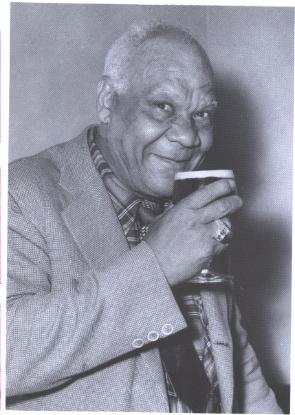
brothers then took him to a ball where he heard the influential sounds of "Big Eye" Louis Nelson playing the
clarinet. George Baquet became his music teacher along with Paul Chaligny and Alphonse Picou. Sidney liked the
playing of Louis Nelson which he described as being "ratty or rough" but he decided he wanted to play music that
“makes me want to dance”. Nelson wanted him to learn to sight read and purchased an exercise manual but he
never used it. He refused to learn to read notes.
Sidney had three loves music, fishing, and cooking. His parents were worried about his future since they didn't
believe that music was a proper vocation. His first pay for playing was ten cents worth of beer when he would sit
in at John Rexach"s bar. The first real gig occurred around the age of fourteen and wearing knee pants. He played
for a while with the family band called "The Silver Bell Band” but outgrew the group. He handled his exit from the
band by arriving late or not at all to gigs.
The Eagle Band with Willie "Bunk" Johnson proved to be a good move for Sidney around 1911. The other
members had played with Buddy Bolden. His appearance was a problem for the band so they went out and
purchased some new clothes. He became a fastidious dresser in later life. Sidney was considered the best
clarinetist around and was making fifteen dollars per week.
Alcohol became a close friend to the young musician. A little gin would make him grin and want to dance. A little
more and he would become maudlin and antagonistic. The other musicians sometimes were irritated by his
belligerence but at the same time marveled at his talents. His reputation for improvising was recognized and he
was the best in New Orleans.
In 1914 Joe Oliver and Bechet began working together. He also played with Louis Armstrong but the association
was not good since both wanted to star. Around the same time Sidney met and played jobs with the pianist
Clarence Williams. This friendship led to Clarence suggesting that Bechet take home a C-Melody sax and give it a
try. Overnight he found some success with the new instrument and this led to his interest in the soprano sax. The
soprano was rare in the city but both Willie Humphrey and Alphonse Picou owned the instrument.
After touring a few states with Clarence Williams, he settled down in Chicago as a way to make some money. The
gangster owned clubs paid very well. Also, the local musicians union did little to restrict the new émigrés.
clarinet. George Baquet became his music teacher along with Paul Chaligny and Alphonse Picou. Sidney liked the
playing of Louis Nelson which he described as being "ratty or rough" but he decided he wanted to play music that
“makes me want to dance”. Nelson wanted him to learn to sight read and purchased an exercise manual but he
never used it. He refused to learn to read notes.
Sidney had three loves music, fishing, and cooking. His parents were worried about his future since they didn't
believe that music was a proper vocation. His first pay for playing was ten cents worth of beer when he would sit
in at John Rexach"s bar. The first real gig occurred around the age of fourteen and wearing knee pants. He played
for a while with the family band called "The Silver Bell Band” but outgrew the group. He handled his exit from the
band by arriving late or not at all to gigs.
The Eagle Band with Willie "Bunk" Johnson proved to be a good move for Sidney around 1911. The other
members had played with Buddy Bolden. His appearance was a problem for the band so they went out and
purchased some new clothes. He became a fastidious dresser in later life. Sidney was considered the best
clarinetist around and was making fifteen dollars per week.
Alcohol became a close friend to the young musician. A little gin would make him grin and want to dance. A little
more and he would become maudlin and antagonistic. The other musicians sometimes were irritated by his
belligerence but at the same time marveled at his talents. His reputation for improvising was recognized and he
was the best in New Orleans.
In 1914 Joe Oliver and Bechet began working together. He also played with Louis Armstrong but the association
was not good since both wanted to star. Around the same time Sidney met and played jobs with the pianist
Clarence Williams. This friendship led to Clarence suggesting that Bechet take home a C-Melody sax and give it a
try. Overnight he found some success with the new instrument and this led to his interest in the soprano sax. The
soprano was rare in the city but both Willie Humphrey and Alphonse Picou owned the instrument.
After touring a few states with Clarence Williams, he settled down in Chicago as a way to make some money. The
gangster owned clubs paid very well. Also, the local musicians union did little to restrict the new émigrés.
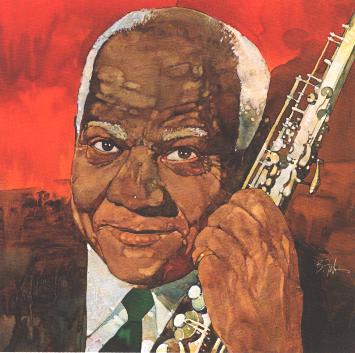
Joe Oliver and Freddie Keppard moved north and thus
began Sidney's friendship with Freddie who played a
big tone trumpet with total command. It's told that
Keppard was offered the chance to record his music
prior to the first recording by the Original Dixieland
group but he turned down the offer because he was
afraid others would steal his ideas. It wasn't until 1921
was the Kid Ory Sunshine Orchestra.
In 1919, Noble Sissle heard Sidney play and offered him
a job on a tour of Europe. The first stop was London
and for Britain, the jazz age was about to begin. For
Sidney, Europe was full of novelty and his status was
now elevated since he was now a concert artist. The
Southern Syncopated Orchestra performed at the
Philharmonic Hall. Bechet did not read the written
orchestration; he improvised a harmony line and his
marvelous ear enabled him to "fake" his part with ease.
The next year he bought a brand new soprano sax.
Although a novelty, it was an outcast because of tuning
problems. The early B flat sopranos were pitched low
and were difficult to tune; the upper register easily
went sharp during mouthpiece adjustment. Strong lips
and broad vibrato were needed to cloak this in-built
deficiency. This was not a problem for Sidney since he
always used strong vibrato on the clarinet. He loved to
listen to operatic tenors who used vibrato in their voices
for embellishment. The soprano sax became his favorite,
he could now really express himself and the audience
liked it.
began Sidney's friendship with Freddie who played a
big tone trumpet with total command. It's told that
Keppard was offered the chance to record his music
prior to the first recording by the Original Dixieland
group but he turned down the offer because he was
afraid others would steal his ideas. It wasn't until 1921
was the Kid Ory Sunshine Orchestra.
In 1919, Noble Sissle heard Sidney play and offered him
a job on a tour of Europe. The first stop was London
and for Britain, the jazz age was about to begin. For
Sidney, Europe was full of novelty and his status was
now elevated since he was now a concert artist. The
Southern Syncopated Orchestra performed at the
Philharmonic Hall. Bechet did not read the written
orchestration; he improvised a harmony line and his
marvelous ear enabled him to "fake" his part with ease.
The next year he bought a brand new soprano sax.
Although a novelty, it was an outcast because of tuning
problems. The early B flat sopranos were pitched low
and were difficult to tune; the upper register easily
went sharp during mouthpiece adjustment. Strong lips
and broad vibrato were needed to cloak this in-built
deficiency. This was not a problem for Sidney since he
always used strong vibrato on the clarinet. He loved to
listen to operatic tenors who used vibrato in their voices
for embellishment. The soprano sax became his favorite,
he could now really express himself and the audience
liked it.
His stay in Europe ended when he got into some trouble in London and spent a few days in jail. He was deported
and sailed for New York on 3 November 1922. He settled into the music scene there working with several groups
and making several recordings. His stay in Europe ended when he got into some trouble in London and spent
a few days in jail. He was deported
Europe was still in his thoughts and he decided to return. The "Black Review" made their European debut on 2
October 1925 with Sidney in the orchestra pit. This tour lasted about three years and his fan base increased as he
played with a variety of groups. But he became a part of an altercation which included shots being fired and people
wounded. Again some prison time and then he was asked to leave France. Sidney decided he would try Berlin next
and joined a musical review and tried the film industry. The atmosphere of Germany was not comfortable and he
returned to the USA in December of 1930.
Back home again, he joined Noble Sissle's band and toured. Bechet now found the jazz scene changing and new
styles of playing were in fashion. Coleman Hawkins and Benny Carter were attracting the attention of the young
fans. Sidney wanted to play his own music and organized "The New Orleans Feetwarmers" with sax, piano,
trombone, bass and drums. Their first recording was made on 15 September 1932. Despite the excellence of the
music the band’s life was short. The music style didn't sell. Sidney opened up a tailor's shop in Harlem. That
venture also failed. Thanks to Noble Sissle he was contacted for a job in a big band, the opportunity to freelance on
the side and recording promises with RCA.
In 1945 he returned to New Orleans and performed with Louis Armstrong, Bunk Johnson, Paul Barbarin and
others. The trip was sponsored by the National Jazz Federation and it was less than successful. It was the first and
the last time he visited his home town.
Sidney tried Boston and then New York. The better engagements were at Ryan's and Eddie Condon's Town Hall
Concerts. He worked frequently with Mezz Mezzrow and Vic Dickenson whom he found to be one of the most
effective musical partners. He always enjoyed working in a front line with only a trombonist especially one who had
all-round musicianship and subtleties. While living there he also taught music and his most talented student was a
young Bob Wilber.
Bechet returned to France in June 1950 and began playing again with Claude Luter’s orchestra. . His records were
being played regularly on the radio. The French loved Sidney and he had become a nationally famous star.
In August of 1953 Sidney flew to the USA and performed in several cities but continuing digestive problems caused
the tour to be cut short and he returned to France. He made a quick recovery and went back to work with Luter's
orchestra and continued his recording efforts. Sidney's record sales in France were comparable with those of the
leading pop stars. In America the general public was hardly aware of him. In France some felt he could have easily
become the mayor of Paris.
He was working at the French Riviera when he became ill and became progressively worse. After being sent to a
specialist he was diagnosed as gravely ill with lung cancer. He suffered for almost 6 months and finally at one
o'clock on the afternoon of 14 May 1959 - his 62 birthday - Sidney Joseph Bechet died.
Bechet was a giant of traditional jazz, an originator who could be inventive within any musical line-up. His thrilling
playing 'swung' before that descriptive word had ever been applied to music, and throughout a long career he
remained a supremely gifted melodist. His interpretation of the blues is timeless, and all of his work contains a
passion that should never be absent from jazz.
Submitted by Mike Kovach
and sailed for New York on 3 November 1922. He settled into the music scene there working with several groups
and making several recordings. His stay in Europe ended when he got into some trouble in London and spent
a few days in jail. He was deported
Europe was still in his thoughts and he decided to return. The "Black Review" made their European debut on 2
October 1925 with Sidney in the orchestra pit. This tour lasted about three years and his fan base increased as he
played with a variety of groups. But he became a part of an altercation which included shots being fired and people
wounded. Again some prison time and then he was asked to leave France. Sidney decided he would try Berlin next
and joined a musical review and tried the film industry. The atmosphere of Germany was not comfortable and he
returned to the USA in December of 1930.
Back home again, he joined Noble Sissle's band and toured. Bechet now found the jazz scene changing and new
styles of playing were in fashion. Coleman Hawkins and Benny Carter were attracting the attention of the young
fans. Sidney wanted to play his own music and organized "The New Orleans Feetwarmers" with sax, piano,
trombone, bass and drums. Their first recording was made on 15 September 1932. Despite the excellence of the
music the band’s life was short. The music style didn't sell. Sidney opened up a tailor's shop in Harlem. That
venture also failed. Thanks to Noble Sissle he was contacted for a job in a big band, the opportunity to freelance on
the side and recording promises with RCA.
In 1945 he returned to New Orleans and performed with Louis Armstrong, Bunk Johnson, Paul Barbarin and
others. The trip was sponsored by the National Jazz Federation and it was less than successful. It was the first and
the last time he visited his home town.
Sidney tried Boston and then New York. The better engagements were at Ryan's and Eddie Condon's Town Hall
Concerts. He worked frequently with Mezz Mezzrow and Vic Dickenson whom he found to be one of the most
effective musical partners. He always enjoyed working in a front line with only a trombonist especially one who had
all-round musicianship and subtleties. While living there he also taught music and his most talented student was a
young Bob Wilber.
Bechet returned to France in June 1950 and began playing again with Claude Luter’s orchestra. . His records were
being played regularly on the radio. The French loved Sidney and he had become a nationally famous star.
In August of 1953 Sidney flew to the USA and performed in several cities but continuing digestive problems caused
the tour to be cut short and he returned to France. He made a quick recovery and went back to work with Luter's
orchestra and continued his recording efforts. Sidney's record sales in France were comparable with those of the
leading pop stars. In America the general public was hardly aware of him. In France some felt he could have easily
become the mayor of Paris.
He was working at the French Riviera when he became ill and became progressively worse. After being sent to a
specialist he was diagnosed as gravely ill with lung cancer. He suffered for almost 6 months and finally at one
o'clock on the afternoon of 14 May 1959 - his 62 birthday - Sidney Joseph Bechet died.
Bechet was a giant of traditional jazz, an originator who could be inventive within any musical line-up. His thrilling
playing 'swung' before that descriptive word had ever been applied to music, and throughout a long career he
remained a supremely gifted melodist. His interpretation of the blues is timeless, and all of his work contains a
passion that should never be absent from jazz.
Submitted by Mike Kovach
soprano saxophone player himself, Mike appreciates the talent and creativity of the world renown Sidney
Bechet. Mike summarizes Bechet’s early music influences and highlights his career. The major sources for
this article are John Chilton’s: Sidney Bechet, The Wizard of Jazz, and Scott Yanow’s Classic Jazz.
Bechet. Mike summarizes Bechet’s early music influences and highlights his career. The major sources for
this article are John Chilton’s: Sidney Bechet, The Wizard of Jazz, and Scott Yanow’s Classic Jazz.